Reading list & roots
Learning & resources
Courses, books, and regional organizations that informed this work.
Courses I've taken
New Directions in American Landscape
Ecology-based Landscape Practice — 6-Part Intensive
Larry Weaner and Ian Canton on designing, installing, and maintaining native meadows, shrublands, and understory plantings.
New England Botanic Garden at Tower Hill
Ecological Landscaping Professional Development
Two-day intensive in ecological landscaping.
Native Plant Trust
Asters and Goldenrods
Field identification of local species in the aster and goldenrod families.
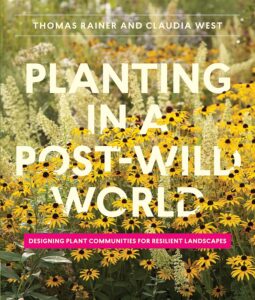
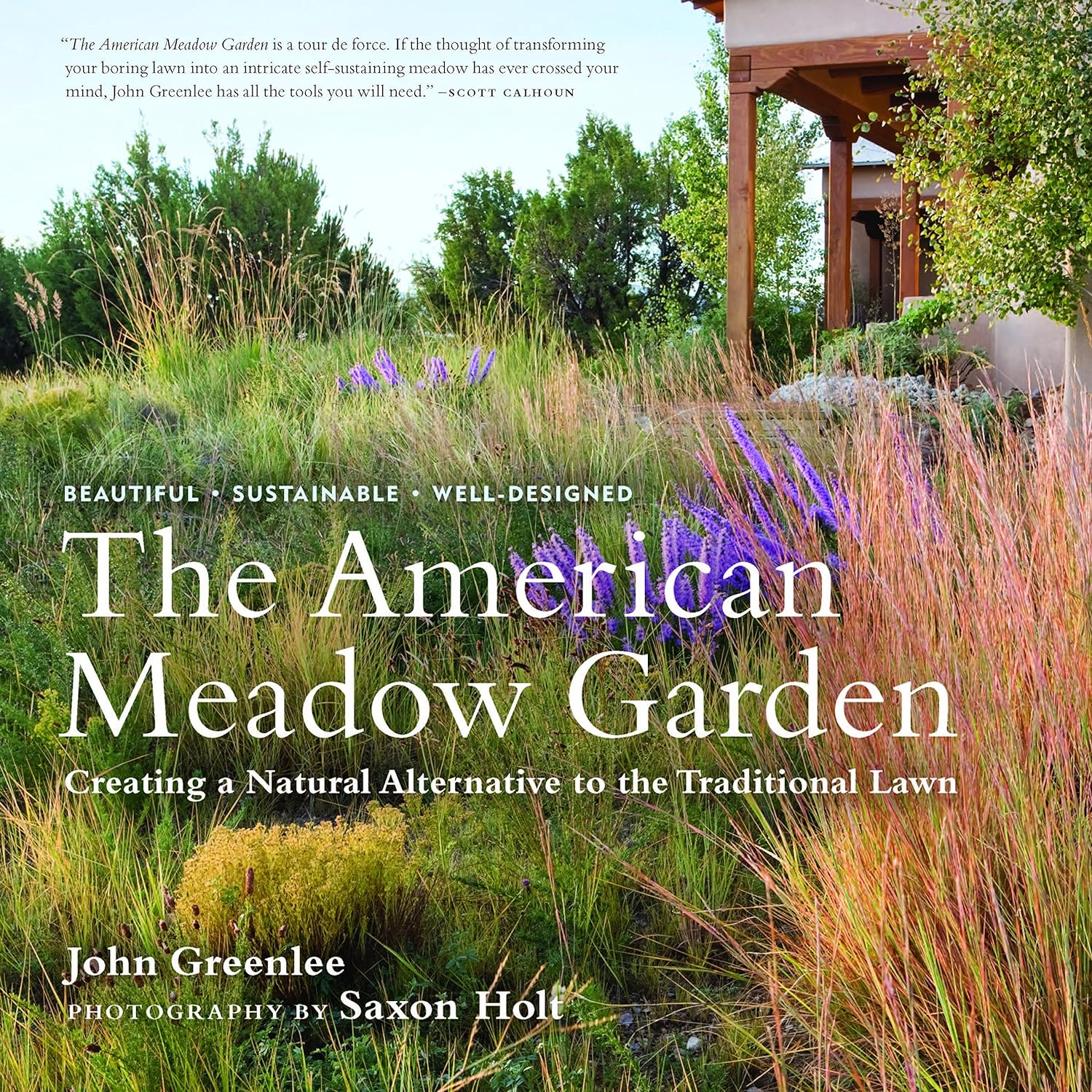
Regional native-plant organizations
Grow Native Massachusetts
Lexington, MA
Native Plant Trust
Framingham, MA
Northeast Seed Collective
local ecotype seed
Ecological Health Network
Cambridge, MA
Blue Stem Natives
Norwell, MA
The Ecotype Project
Connecticut
The Wild Seed Project
North Yarmouth, ME
MA Sustainable Landscapes
state facilities
Local Pollinator Efforts by Town
Apple Country
Bolton Local Pollinator Garden
Bolton, MA
Boxborough Steele Farm Pollinator Garden
Boxborough, MA
Harvard Natural Companions
Harvard, MA
Lincoln Pollinator Action Plan
Lincoln, MA
Southborough Pollination Preservation Garden
Southborough, MA
Open question
The clearing process — what's the right trade-off?
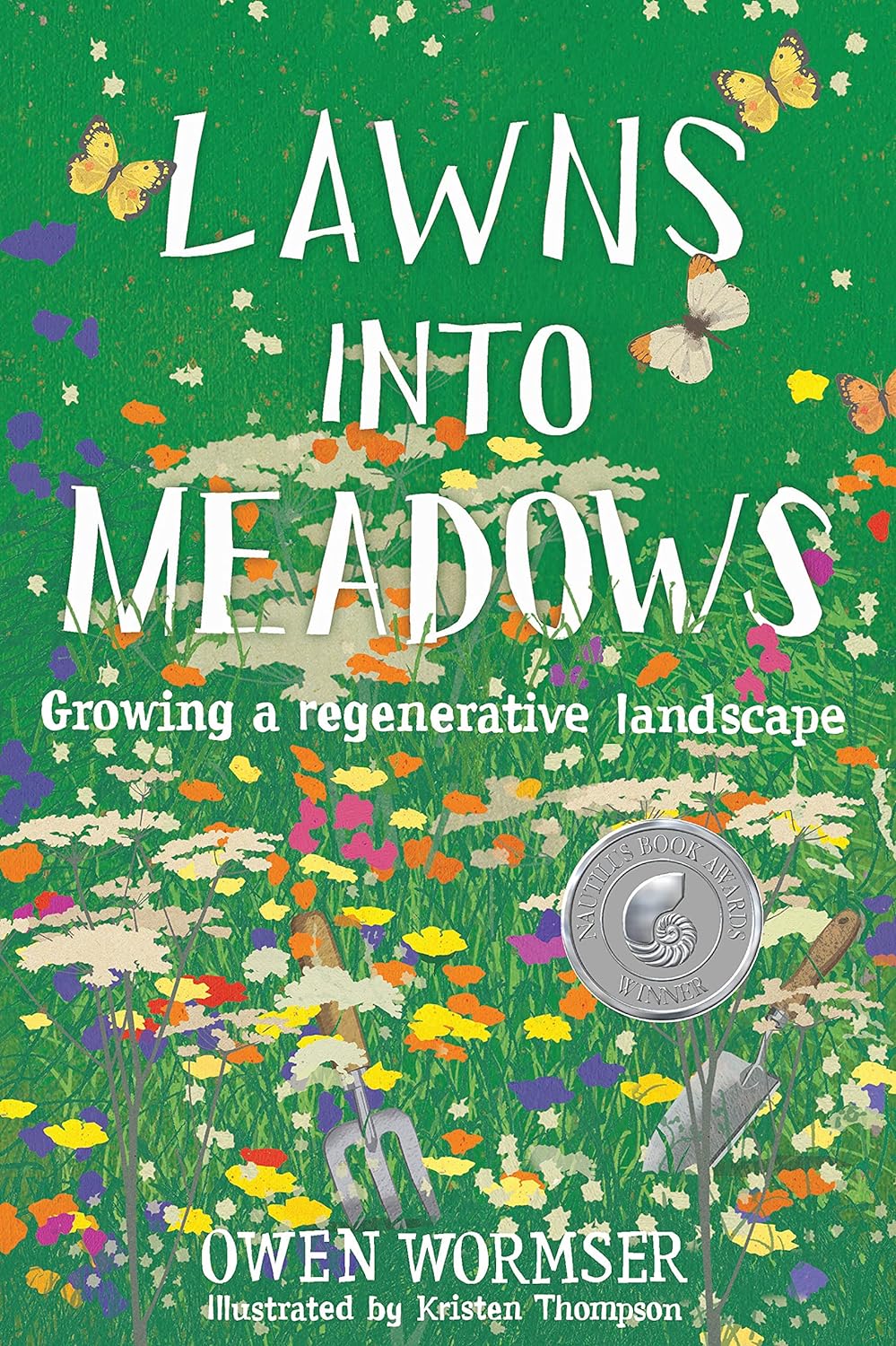
Larry Weaner advocates herbicide, particularly when invasive pressure is high. Owen Wormser tills two to three times, 10–20 days apart. Tilling releases carbon, and the plants on one full-sun site I tilled repeatedly seem to be struggling.
Does anyone have knowledge — preferably backed by academic studies — on the relative merits of turning the soil vs. herbicide vs. smothering? How much carbon does each release, and how long until it's recaptured?